

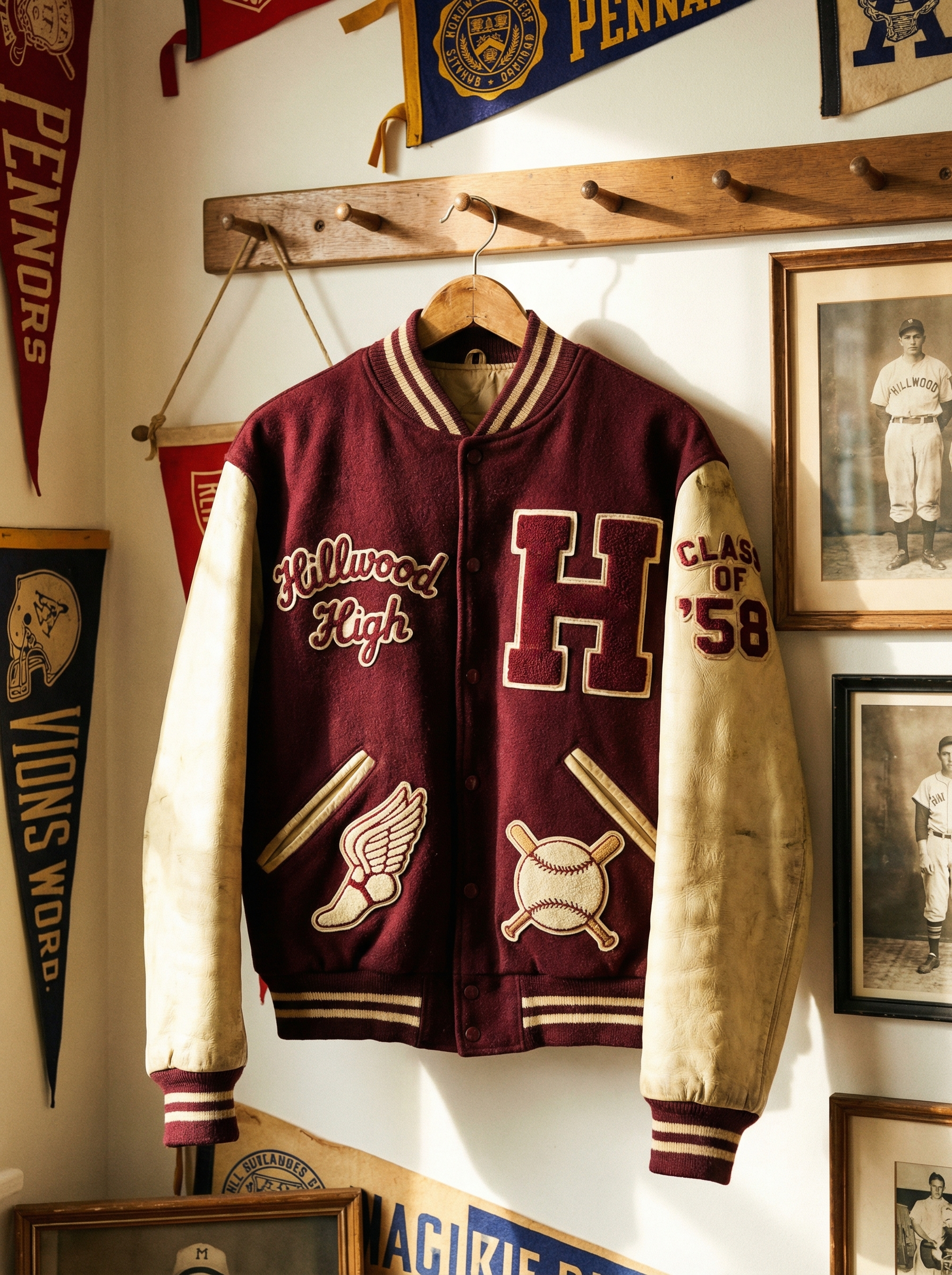
Walk into any vintage store or scroll through Instagram, and you'll spot them immediately, it’s those fuzzy, textured patches with the distinctive raised surface that screams classic Americana. Chenille patches are having a major resurgence right now, and are perfect to bring back that vintage classic look. After decades of flat embroidered patches dominating the market, designers and brands are rediscovering the unique charm of chenille's plush, carpet-like texture.
What started as traditional letterman jacket decoration in the 1940s and 50s has evolved into a versatile branding tool that works everywhere from high-end streetwear to corporate uniforms. At Quality Woven Labels, we've seen a 40% increase in chenille patch orders over the past year, with everyone from indie fashion brands to Fortune 500 companies going for that retro look.
What Makes Chenille Patches Different?
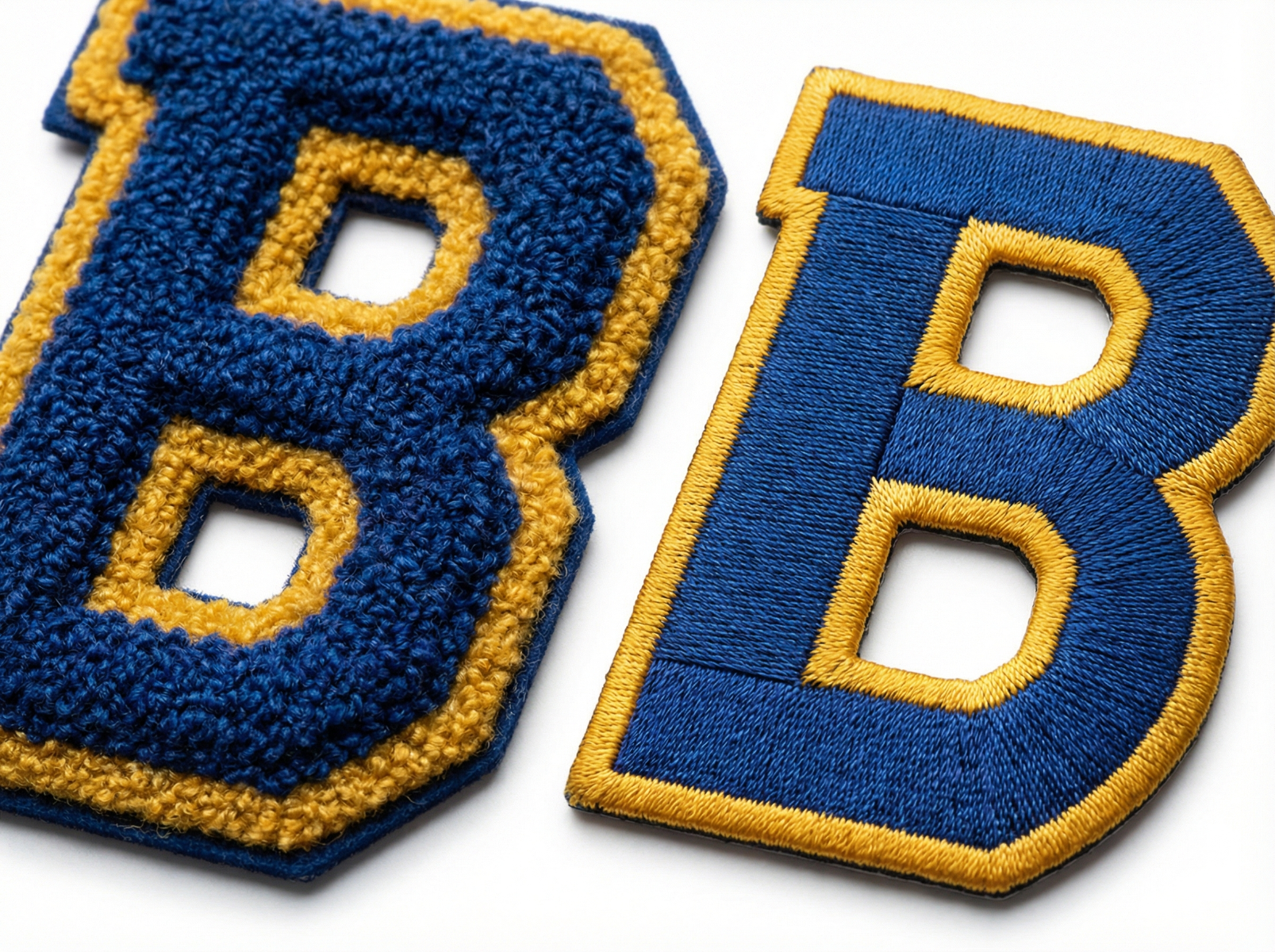
The secret is in the construction. While regular embroidered patches use standard threads and stitches to create flatter designs, chenille patches are made with yarn that is tufted to create a three-dimensional, fuzzy surface. Think of it like the difference between a regular carpet and a deep-pile shag rug. Both methods serve the same function, but one has that extra tactile quality that makes you want to reach out and touch it.
This textural difference isn't just aesthetic. Chenille patches have a substantial weight and feel that communicates quality and attention to detail. When someone sees a chenille patch on a jacket or bag, they immediately recognize it as something special. It's premium by design.
The yarn construction also means chenille patches can achieve color combinations that regular embroidery sometimes struggles with. The fuzzy texture naturally blends colors at the edges, creating softer transitions that work particularly well for vintage-inspired designs and school colors.
The History Behind the Comeback
Chenille patches have deep roots in American culture. They first appeared on letterman jackets in the early 20th century, where the fuzzy texture made school letters and numbers stand out dramatically against the smooth wool of varsity jackets. By the 1950s, every high school athlete wanted their chenille letters to show off their accomplishments.
What made these patches special wasn't just their appearance, it was what they represented. Earning your chenille letters meant you'd made the team, put in the work, achieved something worth celebrating. That emotional connection to accomplishment and belonging is exactly what modern brands are tapping into.
The decline came in the 80s and 90s when manufacturing shifted toward faster, cheaper embroidered patches. Chenille was more labor-intensive and expensive to produce, so it gradually disappeared from mainstream use. But fashion has a way of bringing back what we've lost, especially when it represents authenticity and craftsmanship.
Why Modern Brands Are Choosing Chenille
Today's designers aren't just copying vintage looks, they are using chenille's unique properties to solve modern branding challenges. Here's what we're seeing:
Streetwear brands use chenille to add texture and dimension to otherwise minimal designs. A simple logo becomes memorable when it has that plush, tactile quality. Brands like Supreme and Off-White have incorporated chenille elements into limited releases, knowing collectors value the premium feel.
Sports teams are rediscovering chenille for both retro jerseys and modern uniforms. The dimensional quality photographs beautifully under stadium lights, and fans love the throwback aesthetic. We've worked with college teams creating special anniversary uniforms that honor their chenille-wearing ancestors.
Corporate brands use chenille patches to stand out at trade shows and corporate events. Instead of another flat embroidered polo shirt, executives wear jackets with chenille logos that start conversations. The unexpected texture makes people look twice.
Fashion designers layer chenille patches over everything from denim jackets to evening wear. The contrast between smooth fabric and fuzzy patches creates visual interest that flat embroidery can't match.
Technical Considerations for Custom Chenille
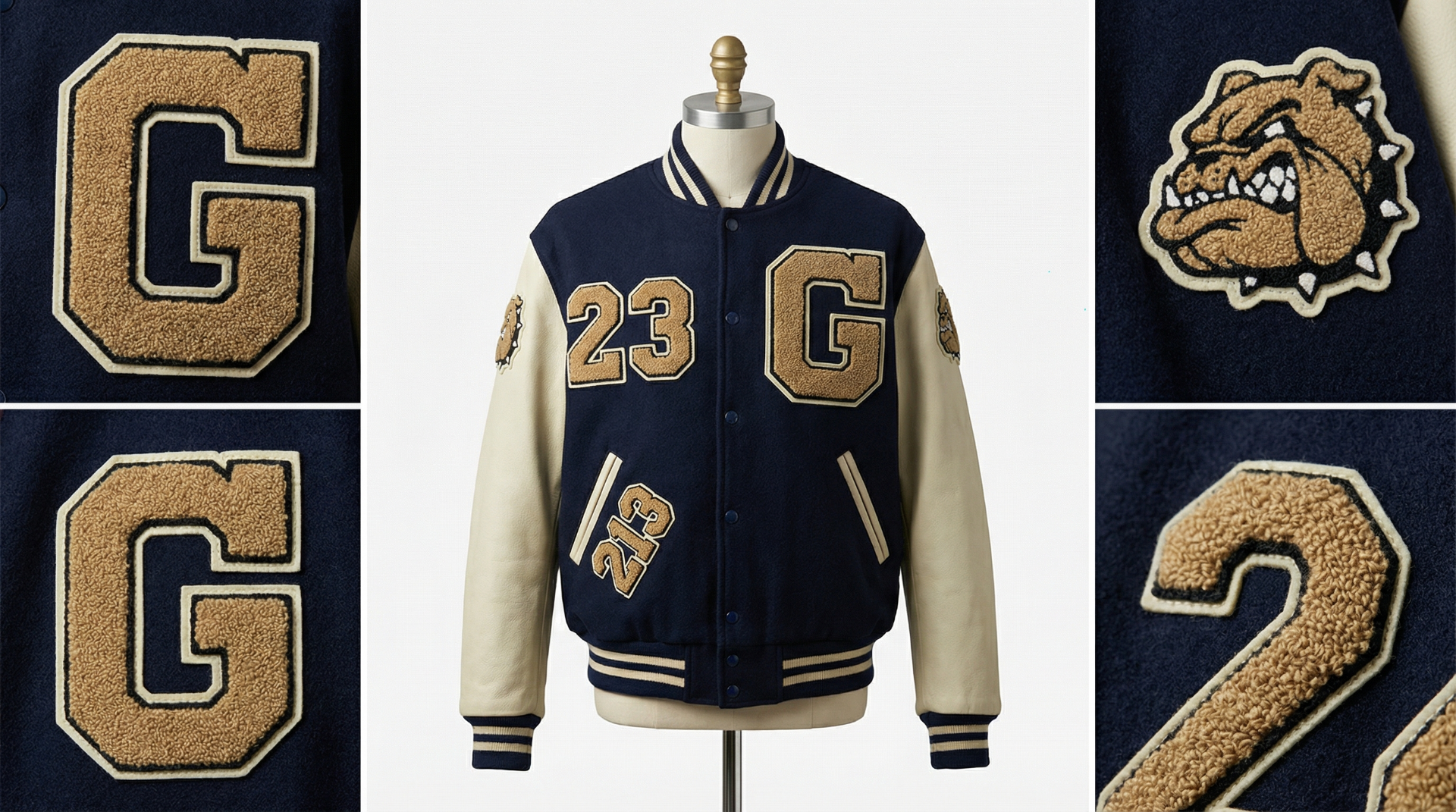
Creating effective chenille patches requires understanding the medium's strengths and limitations. The fuzzy texture works best with bold, simple designs. Fine details get lost in the pile, so intricate text under 0.25 inches isn't recommended.
Color selection is crucial. Chenille yarn comes in a specific range of colors that may not match your brand's exact Pantone® specifications. However, the textural quality often compensates for slight color variations. Many designers actually prefer the subtle color variations that chenille naturally creates.
Size matters too. Chenille patches under 2 inches in diameter don't showcase the texture effectively. The sweet spot is 3-5 inches, where the textured quality is obvious without becoming overwhelming. For letterman-style applications, 4-6 inch letters work beautifully.
The backing choice affects both durability and application. Heat-seal backing works for temporary or lightweight applications, while sew-on backing provides maximum security for jackets and heavy-use items. We recommend sew-on for anything that will see regular washing or heavy wear.
Applications Beyond Letterman Jackets
While varsity jackets remain the classic canvas for chenille, modern applications are much more diverse:
Denim jackets showcase chenille beautifully. The contrast between smooth denim and fuzzy patches creates an interesting textural dialogue. Position patches asymmetrically for a contemporary look, or create a symmetrical chest placement for classic appeal.
Bags and backpacks benefit from chenille's durability. The thick construction holds up well to daily use, and the texture provides a premium feel that customers notice immediately.
Hats work well with smaller chenille patches. A 2-3 inch chenille logo on the front panel of a snapback or fitted cap creates depth that standard embroidery can't achieve.
Work uniforms use chenille for supervisor or team leader identification. The dimensional quality makes authority patches visible from a distance, while the premium feel reinforces the wearer's status.
Event merchandise incorporates chenille for VIP or limited edition items. The higher perceived value justifies premium pricing, and the unique texture makes the merchandise more collectible.
Design Tips for Maximum Impact
Start with your concept, not your existing logo. Chenille works best when the design is created specifically for the medium. Simple, bold shapes translate better than complex graphics.
Consider the viewing distance. Chenille patches are meant to be noticed from across the room. If your design only works when someone is standing two feet away, it probably won't work in chenille.
Plan for color blending. Unlike flat embroidery where colors remain distinct, chenille naturally creates soft transitions between adjacent colors. Use this to your advantage rather than fighting it.
Think about placement carefully. Chenille patches have weight and dimension, so they affect how garments hang and move. A large chenille patch on a lightweight shirt will pull and distort. Match the patch size to the garment weight.
Test the concept first. At Quality Woven Labels, we always recommend creating a small sample before committing to a large order. Seeing the actual texture and colors helps finalize design decisions.
Minimum Orders and Practical Considerations
One advantage of working with established manufacturers is reasonable minimum orders. We offer custom chenille patches with a 5-piece minimum, making it feasible to test designs or create limited runs for special events.
Production time runs longer than standard embroidered patches — typically 2-3 weeks for custom orders. The specialized yarn and construction process can't be rushed without compromising quality. Plan accordingly for launch dates or events.
Cost runs higher than flat embroidery due to materials and production complexity. However, the perceived value is also higher. Many brands find they can charge premium prices for items featuring chenille patches, offsetting the initial cost difference.
Storage is straightforward. Chenille patches maintain their shape and texture when stored flat in protective packaging. They don't require special climate control like some textile products.
The Future of Chenille in Fashion
Current trends suggest chenille's revival is more than a temporary fad. Consumers increasingly value tactile experiences and authentic materials. In a digital world, physical texture becomes more important, not less.
We're seeing innovation in chenille production, with new yarn blends offering improved colorfastness and durability while maintaining the classic fuzzy texture. Eco-friendly chenille options are emerging as sustainability becomes a priority for fashion brands.
The application possibilities continue expanding. Interior designers use oversized chenille patches as wall art. Furniture makers incorporate them into custom upholstery. Artists create chenille patch installations that blur the line between fashion and fine art.
Getting Started with Custom Chenille
Whether you're reviving a vintage brand aesthetic or creating something entirely new, chenille patches offer unique possibilities for memorable branding. The key is understanding the medium's strengths and working with them rather than against them.
Start with a clear vision of what you want to achieve. Are you after nostalgic authenticity? Modern luxury? Unexpected texture contrast? Your goal will guide design decisions about size, color, and placement.
Consider your audience carefully. Chenille appeals to people who appreciate craftsmanship and authenticity. It's not the right choice for every brand, but when it fits, it creates powerful emotional connections.
Work with experienced manufacturers who understand chenille's unique requirements. The difference between good chenille and great chenille often comes down to yarn selection and construction expertise developed over decades.
Ready to add some fuzzy retro charm to your brand? Custom chenille patches start at just 5 pieces, perfect for testing concepts or creating limited releases. Get a free quote today and discover why this classic American textile is winning over a new generation of designers and brands.

The information below is required for social login
Sign In
Create New Account