

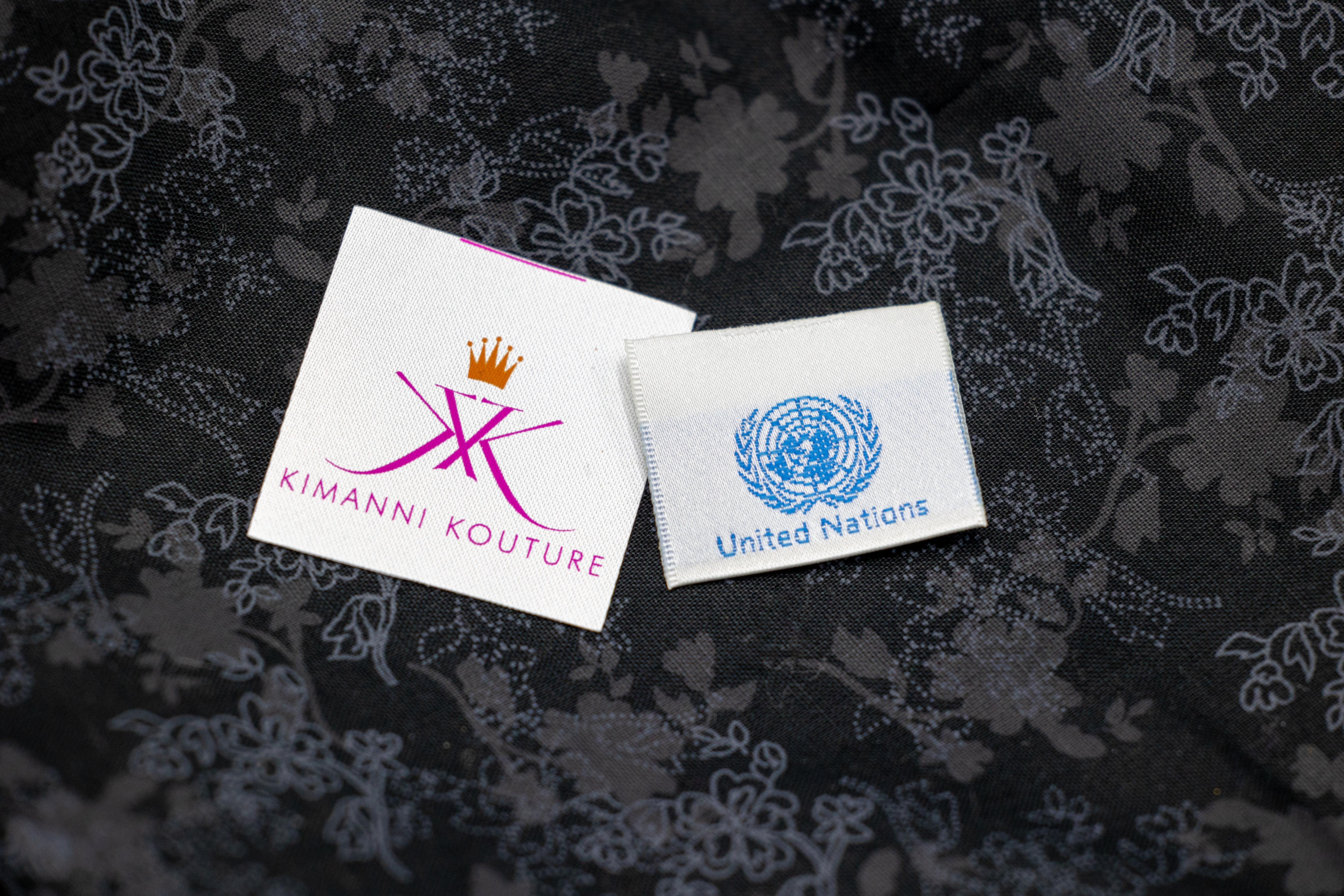
When choosing labels for your clothing line, one of the biggest questions that comes up is whether to go with woven fabric labels or printed labels. It's a decision that affects not just your budget, but how your brand looks and feels to customers months or even years down the road.
We've been helping brands make this choice, and we've seen thousands of labels through wash cycles, wear tests, and real-world use. The truth is, both types have their place, but understanding their differences in durability, appearance, and cost can save you from headaches later on.
Let's dive into what really matters when you're deciding between fabric labels and printed labels for your brand.
The Durability Factor: How Each Type Handles Real Life
When we talk about durability, we're really asking: how will these labels look after your customer has worn and washed the garment multiple times? This is where the construction differences between woven and printed labels really show up.
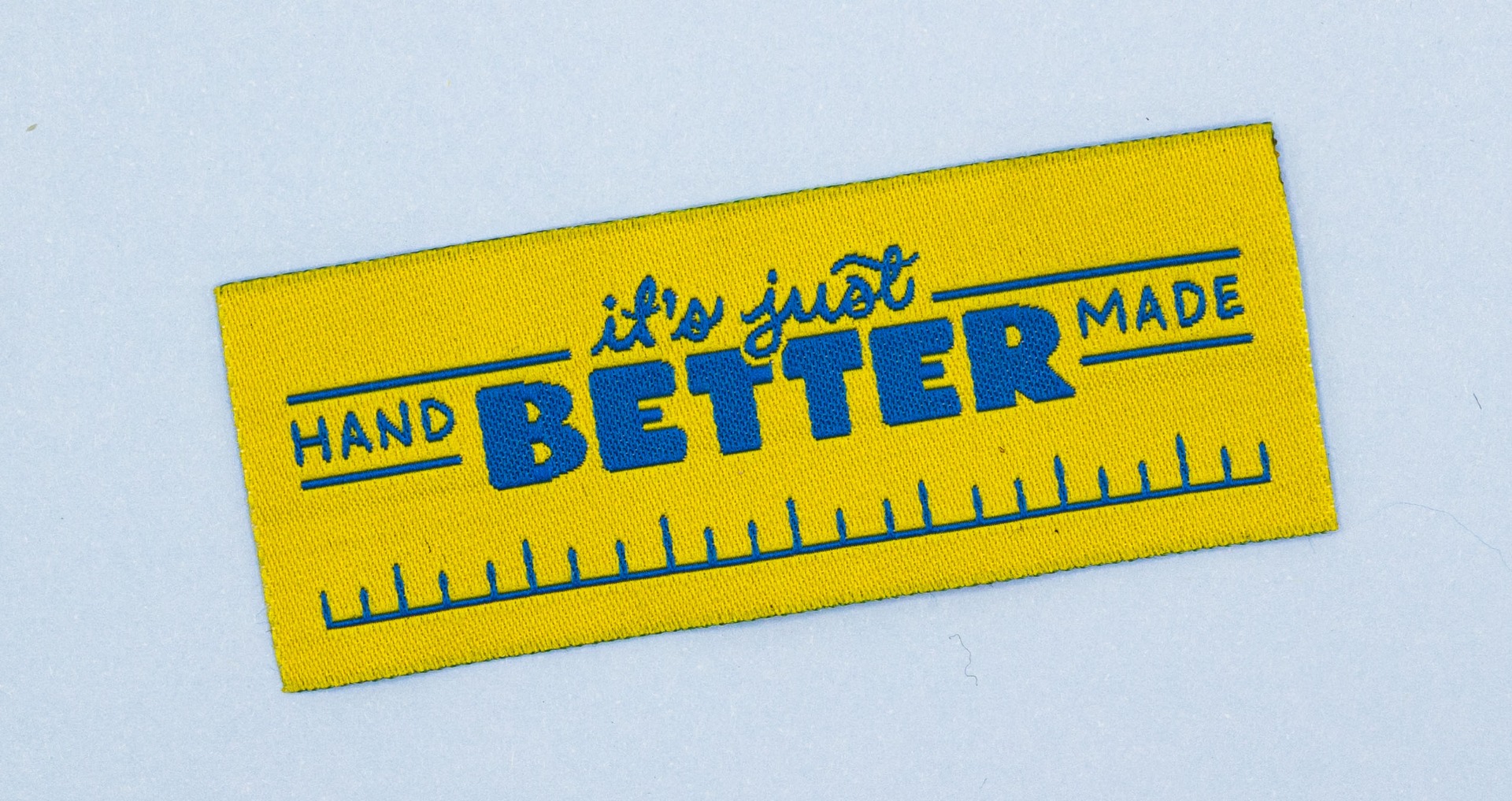
Woven fabric labels are created by weaving threads together to form text and designs. Think of them as tiny textile fabric. The design is part of the fabric structure, which means there's nothing to peel, crack, or fade off. The threads themselves create the colors and text, making them incredibly resistant to washing, heat, and general wear.
Printed labels, on the other hand, use various printing methods to apply designs onto a base material like cotton, polyester, or specialty fabrics. The ink sits on top of the fabric. While modern printing techniques are quite good, they're still applying ink to a surface rather than making it part of the structure. Similarly, dye sublimation printing also uses special formulated ink or dye to create or print the design. This method however, dyes the fabric itself and is typically considered a longer lasting printing method than screen printing with ink.
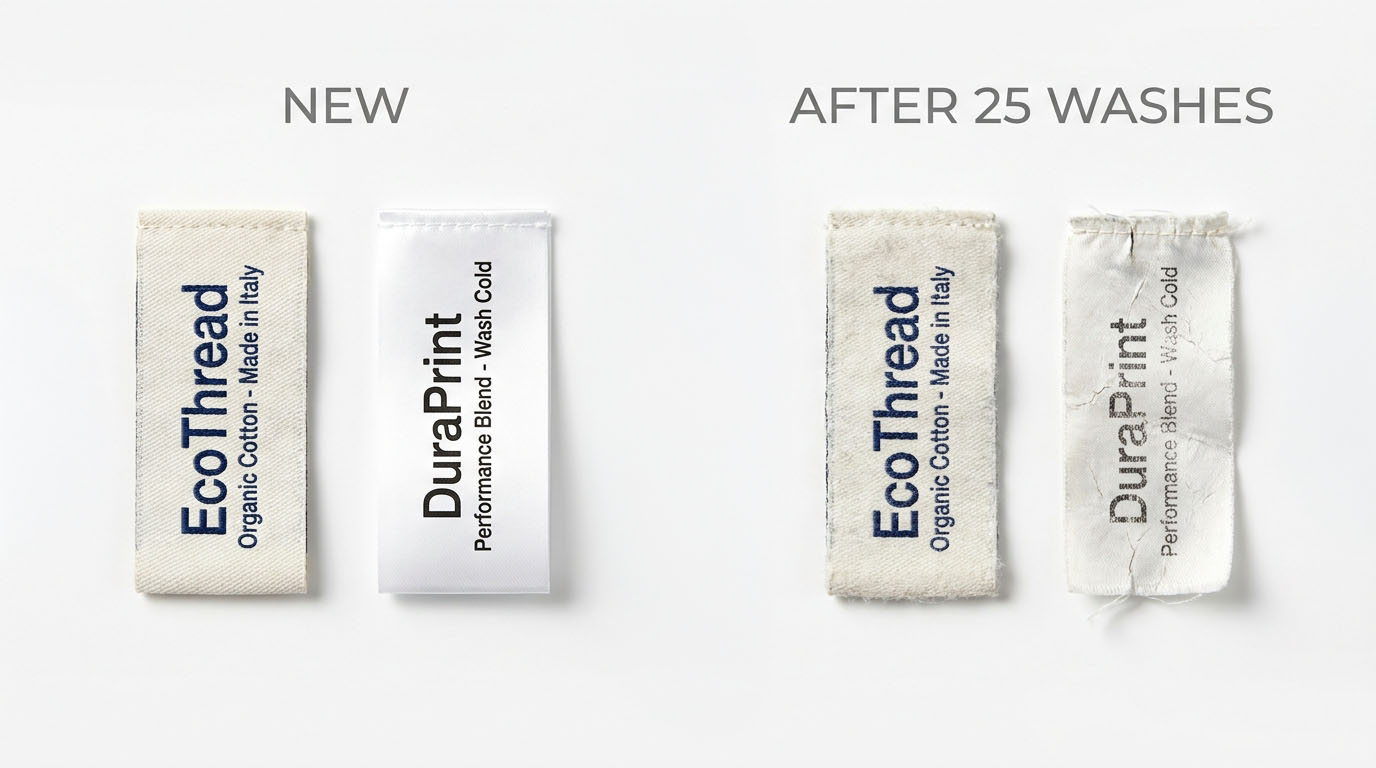
In our experience, this fundamental difference plays out in several ways over time. Woven labels maintain their crisp appearance through dozens of wash cycles as well as dye sublimation printed labels, while printed labels using a screen printed or ink method may start to show signs of wear after 10-15 washes, depending on the fabric and printing method used.
Color Retention and Appearance Over Time
If you've ever had a favorite t-shirt where the graphic started looking faded or cracked after a few months, you've seen what can happen to printed materials over time. Labels face the same challenges, just on a smaller scale.
Woven labels excel at color retention because the color comes from the dyed threads themselves. When you choose high-quality threads (which we always use and recommend to our customers), those colors are locked in from the start. We've tested woven labels through 50+ wash cycles without little to no color change.
Printed labels vary widely based on the printing method and ink quality. Digital printing tends to be less susceptible to fading than screen printing, but both can show wear over time. Heat transfer labels, while technically printed, tend to hold up better than traditional ink-based printing because they're designed specifically for textile applications.
The good news is that quality printed labels from reputable manufacturers can still look great for the life of the garment if they're made with proper inks and techniques. The key is knowing what to look for and working with suppliers like Quality Woven Labels, who understand textile durability.
Texture and Feel: What Your Customers Actually Touch
This might be the most overlooked aspect of label selection, but it's something your customers will notice immediately. The texture difference between woven and printed labels is significant and affects the overall perception of quality.
Woven labels have a distinct textile feel that many customers associate with higher-end garments. Woven labels can be a bit thicker than printed labels depending on how intricate the design is and how many colors are being used. The woven texture gives them a substantial, premium feel. For brands targeting the handmade, artisanal, or premium market, this texture can reinforce the quality message.
Printed labels like printed satin or printed care labels, tend to be thinner and smoother, while screen printed cotton labels tend to be thicker and closer to the thickness of woven labels. This isn't necessarily a disadvantage. For instance, if used for athletic wear, children's clothing, or garments where comfort is important, the slimmer profile of printed labels may be preferred. They're also less likely to create bulk or stiffness in the garment.
At Quality Woven Labels, we often recommend considering where the label will be placed and how it will be worn. A woven label works beautifully in the back neck area of a jacket, where that premium feel reinforces quality. But for a label that might sit against sensitive skin, a smooth printed label might be the more comfortable choice.
Cost Considerations: Upfront vs Long-Term Value
In general, printed labels have a lower per-piece cost, especially for simple designs and larger quantities. This makes them perfect for brands just starting out or those with tight margin requirements.
However, the cost picture gets more complex when you consider the full lifecycle. If you're dealing with returns or complaints because labels are wearing out, those savings disappear quickly. We've seen brands switch from cheaper printed labels to woven specifically because of durability issues.
Woven labels typically cost more upfront but offer better long-term value through durability and perceived quality. For brands building long-term relationships with customers, this investment in label quality pays off.
Printed labels shine when you are working with smaller runs where the costs for weaving don't make sense. They're also perfect for testing label designs before committing to larger orders.
The minimum order quantities can also influence your decision. At Quality Woven Labels, we offer both woven and printed options starting at just 5 pieces, so you can test both types without a huge upfront commitment.
When Woven Makes Sense
Choose woven fabric labels when durability and a premium feel are priorities. They're ideal for:
- Premium or luxury brands where label quality reinforces brand positioning
- Outdoor gear, workwear, or other items that will see heavy use and washing
- Brands targeting customers who value craftsmanship and attention to detail
- Simple designs with solid colors that translate well to weaving
- Garments where the label placement allows for a slightly thicker label
Woven labels work particularly well for brand logos, company names, and simple text designs. The weaving process creates clean, sharp lines that give text and simple graphics a professional, clean look.
When Printed Labels Are the Better Choice
Go with printed labels when you need design flexibility or have budget constraints. They're perfect for:
- Athletic wear where slim profile and smooth feel matter most
- Children's clothing where comfort is the top priority
- Test runs or seasonal designs where you might want to change frequently
- Very detailed text or small design elements that might be lost in weaving
Dye sublimation printing techniques can produce incredibly detailed and colorful labels that would be impossible or extremely expensive to weave. If your design has more than 4 colors or includes photographic elements, using a dye sublimation printing method is usually the practical choice.
Care and Maintenance: Keeping Labels Looking Great
Regardless of which type you choose, proper care instructions can help your labels (and your garments) last longer. This is something we always discuss with our customers because it affects their brand reputation long-term.
For garments with either type of label, recommend washing in cold water when possible and avoiding high heat in the dryer. High temperatures are hard on both woven labels and printed labels, though woven labels generally handle it better.
Making Your Decision
The choice between fabric woven labels and printed labels doesn't have to be all-or-nothing. Many successful brands use different types for different products within their line. A premium jacket might get woven labels while a basic tee gets printed labels.
Consider your brand positioning, budget, design requirements, and target market. A handmade jewelry brand selling on Etsy might choose woven labels to reinforce the artisanal feel, while an active wear startup might prefer printed labels for their moisture-wicking properties and comfort.
Remember that labels are one of the first things customers see and touch when they receive your product. Whether you choose woven or printed, investing in quality labels that align with your brand values is always worthwhile.
Getting Started with Quality Labels
At Quality Woven Labels, we're here to help you make the right choice for your specific needs. With our low minimum orders starting at just 5 pieces, you can easily test both woven and printed options to see which works best for your brand and budget.
Our team has worked with thousands of brands over the years, from small Etsy shops to major retailers, and we understand that every brand has unique requirements. Whether you're leaning toward the premium feel of woven labels or the design flexibility of printed labels, we can help you create labels that your customers will love and that will represent your brand well for years to come.
Ready to explore your options? Get in touch with our team for a free quote and let's find the perfect label solution for your brand.
The information below is required for social login
Sign In
Create New Account