

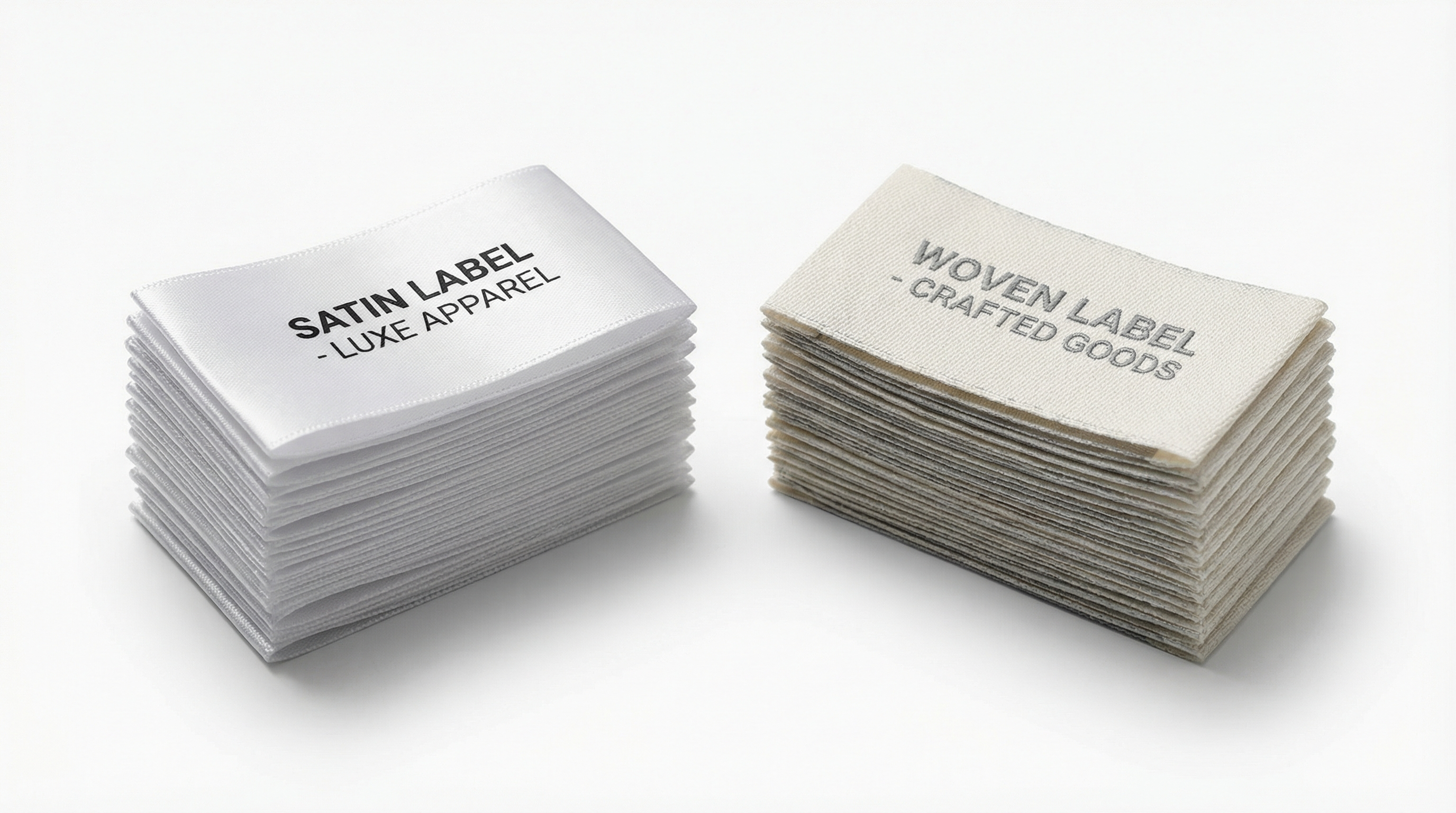
When choosing custom labels for your clothing brand, the finish makes a difference. Two popular options—satin labels and woven labels—offer distinct looks and practical benefits. The choice between them affects your brand's presentation, manufacturing costs, and how customers perceive your products.
Since 2008, we've helped thousands of brands make this decision. Here's what you need to know about satin versus woven labels, when to use each, and how to pick the right finish for your clothing line.
What Are Satin Labels?
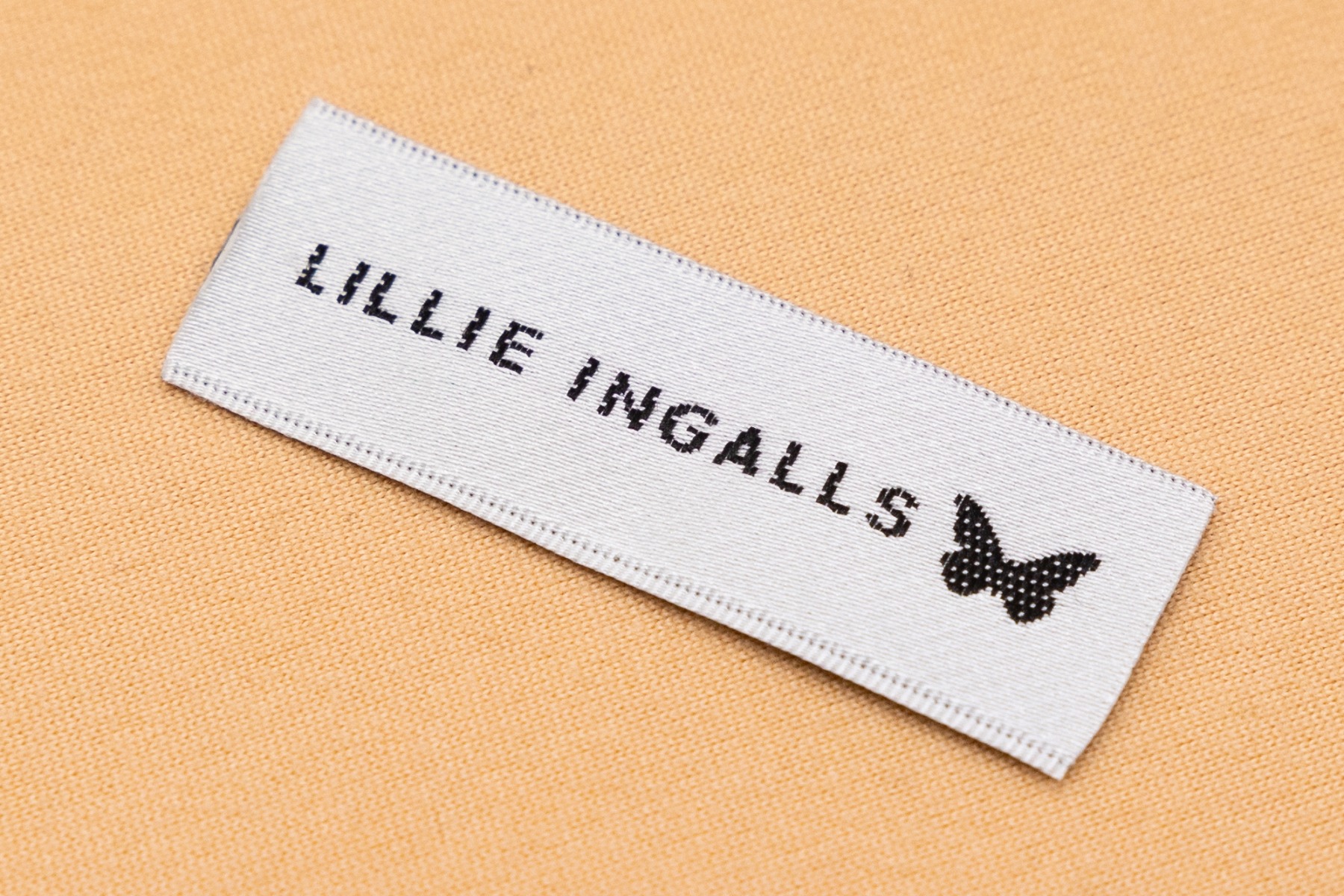
Satin labels feature a lustrous, semi-shiny surface created during the weaving process. The satin weave structure floats warp threads over multiple weft threads, creating that characteristic smoother, glossy appearance with a distinct weave pattern. This isn't a coating or treatment, it’s how the label is woven.
Our satin labels come standard with white or black background colors, but customer background colors are available upon request. Satin labels can accommodate complex logos with fine detail work. The reflective surface catches light beautifully, making colors appear more vibrant and text more crisp.
Common applications include high-end fashion brands, luxury accessories, formal wear, and premium product lines where the visual impact matters most.
What Are Woven Labels?
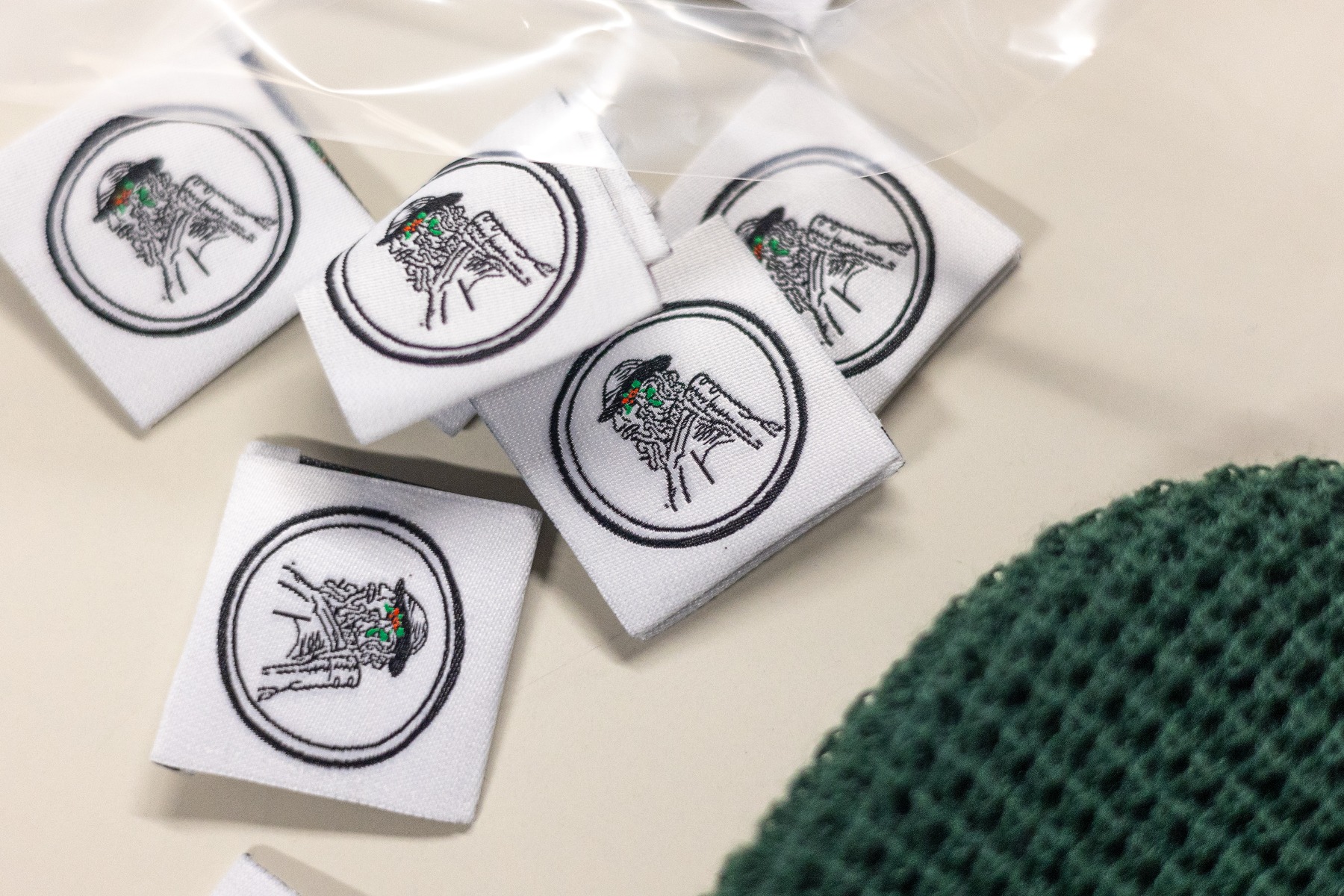
Standard woven labels use a basic weave pattern that creates a matte, textured surface. The threads interlace in a simple over-under pattern, resulting in a flat appearance without the shine of satin and textured weave of satin. This traditional construction method has been used for decades in the garment industry.
Our woven labels offer excellent durability and readability. The matte finish is softer to the touch and the weave pattern is fine, making them practical for everyday wear items.
These work well for casual brands, workwear, children's clothing, outdoor gear, and any application where durability outweighs visual flair.
Key Differences: Satin vs Woven Labels
Visual Appearance
The most obvious difference is the finish. Satin labels have a lustrous, semi-reflective surface that makes colors pop and the chain link weave pattern gives a distinct classic feel. Woven labels have a matte, clean appearance that's more subdued but equally professional.
For premium brands, the satin finish conveys luxury and attention to detail. For practical brands, the woven finish suggests reliability and no-nonsense quality.
Cost Considerations
Satin labels typically cost 10-15% more than standard woven labels due to the specialized weaving process and higher thread counts required. This price difference becomes more significant with larger orders, but it's usually justified by the premium appearance.
For brands positioning themselves in the luxury or premium market segment, the additional cost often pays for itself through improved brand perception.
Design Flexibility
Both options accommodate complex logos, multiple colors, and detailed text. However, woven labels excel at showing fine details because the smooth surface allows for cleaner thread placement and sharper definition.
Satin labels work better for bold, simple designs where the texture adds visual interest rather than competing with intricate details.
When to Choose Satin Labels
Choose satin labels when your brand emphasizes luxury, elegance, or premium quality. They're ideal for:
High-end fashion: Evening wear, designer collections, and luxury accessories benefit from the refined appearance of satin labels.
Formal wear: Suits, wedding dresses, and business attire look more polished with the subtle shine of satin finishing.
Premium products: Any item positioning itself in the luxury market segment gains credibility with satin label finishing.
Gift items: Products intended as gifts benefit from the premium appearance that satin labels provide.
Detailed logos: Complex brand marks with fine details show up more clearly on the smooth satin surface.
When to Choose Woven Labels
Choose standard woven labels when durability, practicality, and cost-effectiveness matter most. They're perfect for:
Everyday wear: Casual clothing, basic t-shirts, and daily-use items where functionality trumps luxury appearance.
Children's clothing: The durable matte finish withstands frequent washing and rough treatment better than satin.
Workwear and uniforms: Industrial applications benefit from the practical, no-nonsense appearance of woven labels.
Outdoor gear: Activewear and outdoor equipment labels need to maintain appearance through harsh conditions.
Budget-conscious brands: When keeping costs low is important, woven labels deliver professional appearance at a lower price point.
Making the Right Choice for Your Brand
Think about your product's lifecycle. Items that see heavy use or frequent washing maintain their appearance longer with woven labels. Products for special occasions or luxury applications justify the premium of satin labels.
Budget plays a role, but don't let small cost differences drive the decision if the wrong choice hurts your brand positioning. A 15% price increase on labels represents a tiny fraction of your total product cost but significantly impacts customer perception.
Consider ordering samples of both options with your actual logo before making large production decisions. Seeing your design on both finishes helps clarify which presentation aligns better with your brand vision.
Technical Specifications
Both satin and woven labels come in the same size ranges and thread counts. Standard dimensions range from 1/2" x 1" up to 4" x 2", with custom sizes available for special applications.
Both options support up to 9 colors in a single design and can include metallic threads for added visual impact. Fold options include center fold, end fold, straight cut, and heat cut edges.
Minimum orders start at just 5 pieces for both satin and woven labels, making it easy to test both options before committing to larger production runs.
Care and Handling
Both label types handle normal garment care well, including machine washing and standard drying cycles. However, care instructions should match your garment's requirements.
Satin labels maintain their appearance best with gentle cycles and lower heat settings. The shiny surface can dull slightly with aggressive washing or high heat.
Woven labels tolerate more aggressive washing and higher temperatures without significant appearance changes. This makes them suitable for garments requiring frequent or intensive cleaning.
The Bottom Line
Both satin and woven labels serve important roles in clothing manufacturing. Satin labels excel when visual impact and premium positioning matter most. Woven labels win when durability, practicality, and cost control are priorities.
Most successful brands don't pick one type exclusively. They match the label finish to the specific product and market segment. Premium lines get satin labels, while basic collections use woven labels.
The key is understanding your brand positioning and customer expectations, then choosing labels that reinforce that message. A luxury brand with basic woven labels looks cheap. A practical brand with ornate satin labels looks pretentious.
Ready to see the difference for yourself? We offer free quotes and samples with low minimums starting at just 5 pieces. Whether you choose satin labels, woven labels, or a combination of both, our team helps ensure your labels perfectly represent your brand vision.
The information below is required for social login
Sign In
Create New Account