


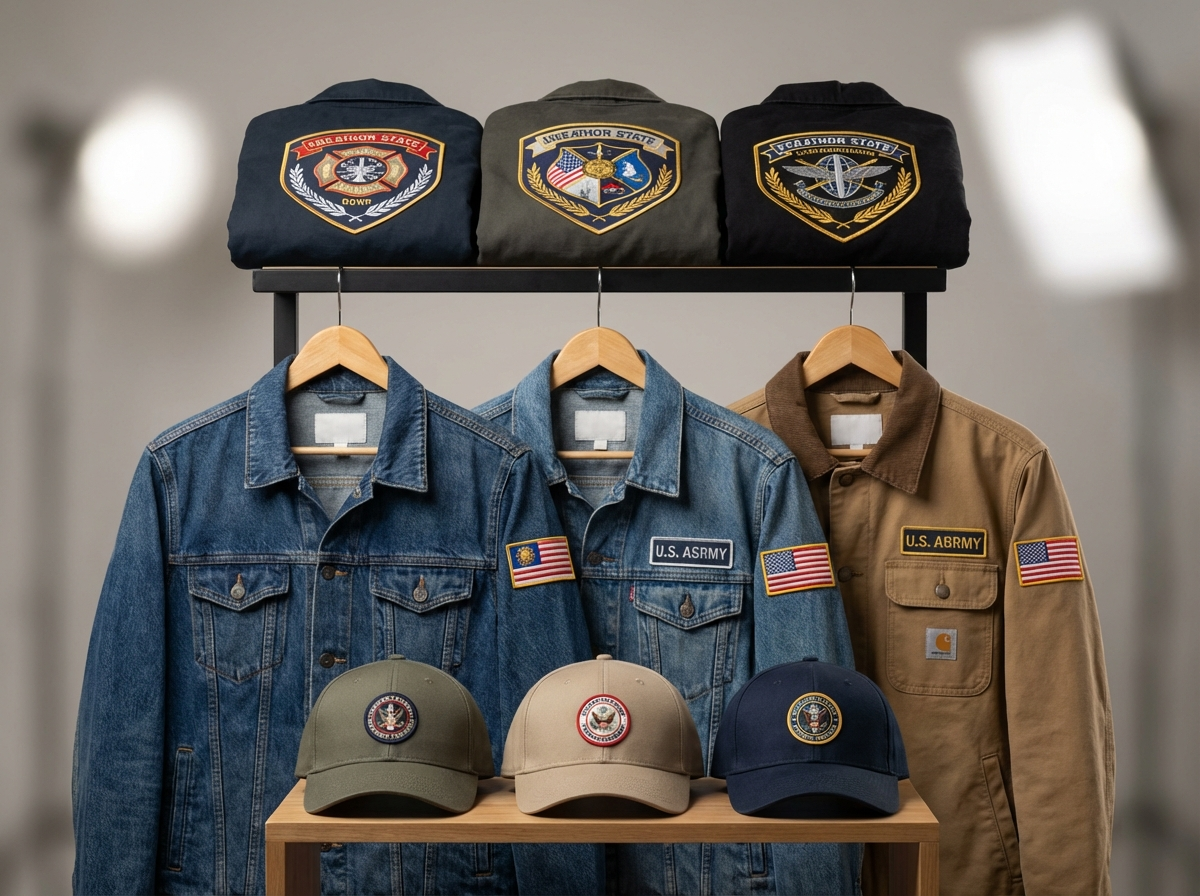
Walk into any uniform shop, tactical store, or custom apparel business, and you'll see embroidered patches everywhere. They add personality, branding, and function to everything from work shirts to baseball caps. But with dozens of backing options, size considerations, and design variables, choosing the right embroidered patch for your needs isn't always straightforward.
We've been making custom embroidered patches since 2008, working with thousands of brands across industries from military contractors to small craft businesses. That experience has taught us that the "best" patch depends entirely on how you plan to use it. A removable name tag for restaurant uniforms needs different specifications than a permanent logo patch for a motorcycle club.
What Makes Embroidered Patches Different
Embroidered patches use needle and thread to create raised, textured designs directly on fabric backing. Unlike printed patches that dye the material with the image, embroidery physically builds up the design with thousands of individual stitches. This creates patches that feel substantial in your hands. They have weight, dimension, and a premium look that printed and woven alternatives struggle to match.
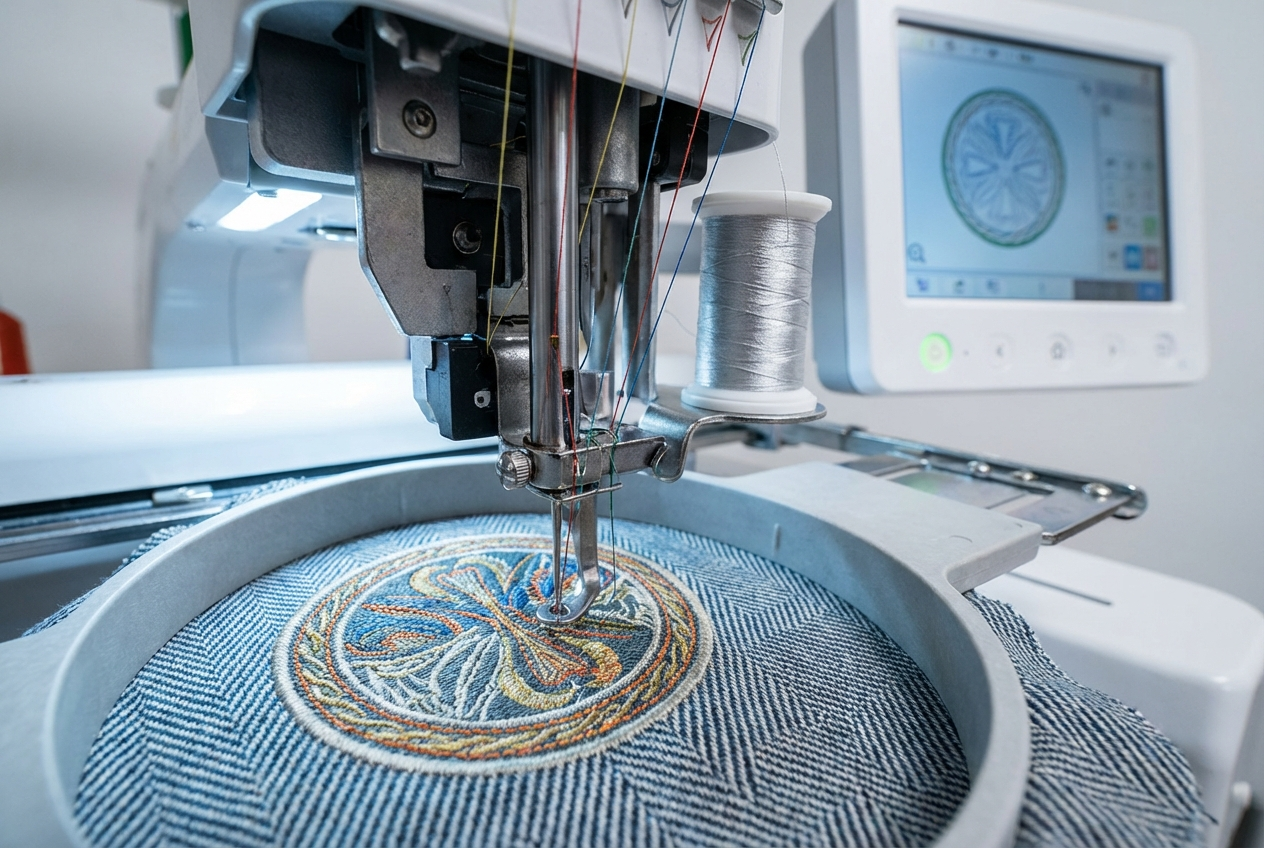
The embroidery process starts with digitizing your artwork into a stitch file. Our team converts your logo or design into instructions that tell industrial embroidery machines exactly where to place each stitch. Dense fills create solid areas of color, while satin stitches form clean borders and text. The thread count in quality embroidered patches typically ranges from 8,000 to 15,000 stitches per square inch, depending on design complexity.
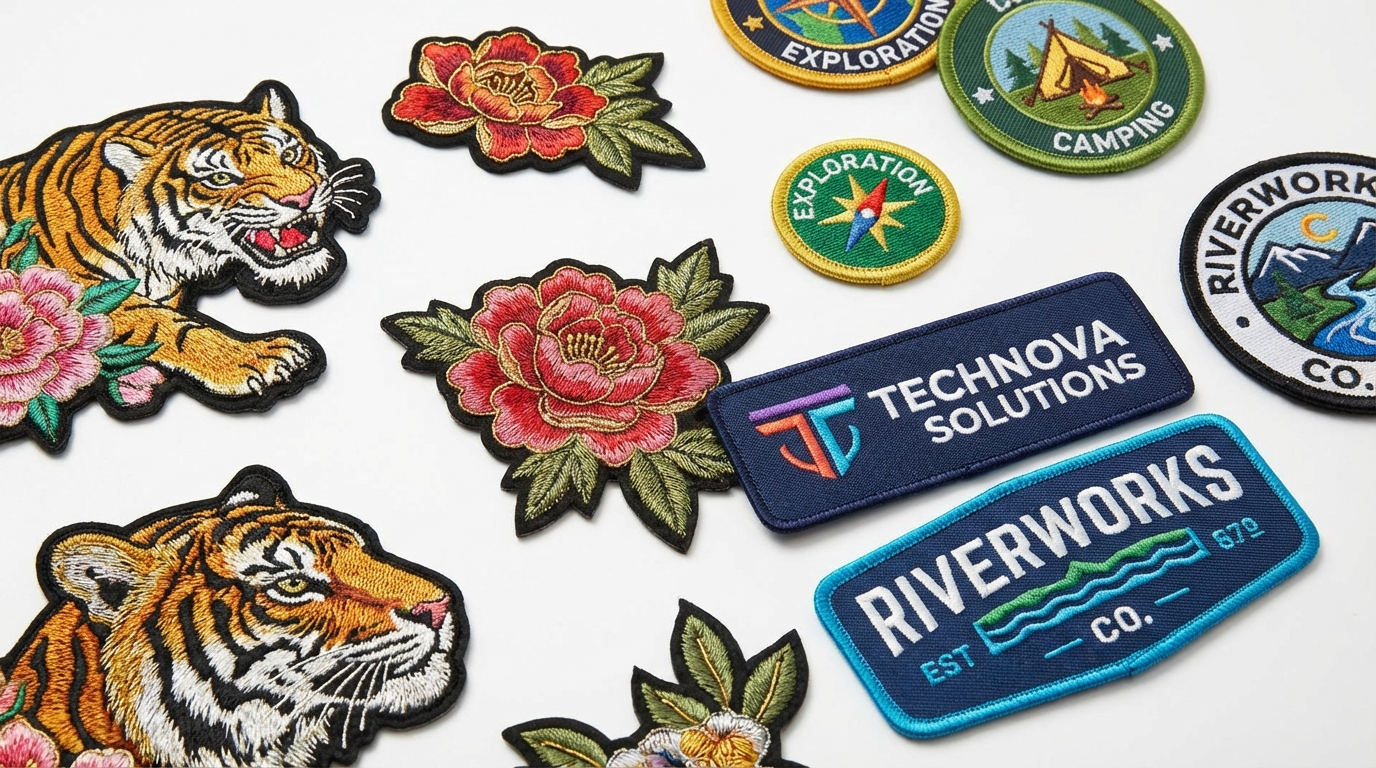
What you get is a patch that photographs well, ages gracefully, and communicates professionalism. Embroidered patches work particularly well when your design includes text, geometric shapes, or logos with distinct color blocks. Intricate photographic details don't translate well to embroidery, but bold graphics absolutely shine.
Types of Embroidered Patches by Backing
The backing determines how your patch attaches to clothing or gear, which directly affects where and how you can use it. Choose the wrong backing, and you'll end up with patches that fall off, damage fabric, or create bulk where you don't want it.
Sew-on backing remains the gold standard for permanent applications. A clean fabric back with finished edges gives you complete control over attachment. Use heavy-duty thread and reinforce stress points for patches that will see daily wear. Sew-on works best for uniform programs, team jerseys, and any application where you want the patch to last as long as the garment.
Iron-on (heat transfer) backing offers convenience at the cost of some durability. A layer of heat-activated adhesive bonds the patch to fabric when you apply heat and pressure. Iron-on patches work well for casual wear, kids' clothing, and situations where sewing isn't practical. The adhesive typically holds for 20-30 wash cycles before starting to lift at the edges.
Velcro® backing enables instant removal and repositioning. Hook-and-loop fastener systems let you swap patches between garments or create name tags that move between uniforms. Military, law enforcement, and technical workers love Velcro patches for their versatility. Just remember that Velcro adds thickness—about 3mm total—which affects how the patch sits on thin fabrics.
Adhesive backing provides permanent stick-on mounting for hard surfaces. Peel-and-stick patches work on helmets, equipment cases, and vehicle interiors where sewing isn't possible.
Standard Patch Sizes and Applications
Size determines where your patch can go and how much visual impact it creates. Our customers often underestimate how size affects readability, especially for patches with text or detailed logos.
Small patches (1" to 2" diameter) work perfectly for name tags, rank insignia, and accent details. They fit comfortably on shirt pockets, cap fronts, and sleeve positions without overwhelming the garment. Text in small patches needs to be bold and simple, avoid script fonts or designs with fine details that disappear at small sizes.
Medium patches (2.5" to 3.5" wide) offer the sweet spot for most applications. This size range provides enough space for clear logos, readable text, and moderate detail while fitting on standard shirt fronts, jacket backs, and cap sides. Most corporate logos translate well to medium patches without sacrificing design elements.
Large patches (4" to 6" wide) make bold statements on jacket backs, bag fronts, and center chest positions. They can handle complex designs with multiple elements, gradients, and detailed graphics. Large patches cost more per piece but often provide better value for branding impact.
Oversized patches (6"+ wide) enter specialty territory. Back patches for motorcycle clubs, large team logos for sports uniforms, and statement pieces for promotional events. These require reinforced backing and careful attachment to prevent fabric distortion.
Design Considerations That Matter
Embroidery works differently than printing, and designs that look great on screen don't always translate well to thread and fabric. Understanding these limitations up front prevents disappointment and revision cycles.
Thread has thickness, which means fine details disappear when converted to stitches. Text smaller than 0.25" high becomes illegible in embroidery. Thin lines under 2mm width turn into broken, fuzzy edges. If your logo relies on fine details or delicate typography, consider simplifying it specifically for patch production.
Color transitions work differently in embroidery than in printing. Gradients and soft shadows don't translate, as embroidery creates distinct color blocks with defined edges. Plan your design with solid colors and clear boundaries between elements. This isn't a limitation; it's an aesthetic choice that gives embroidered patches their distinctive, premium look.
Stitch direction affects how light hits your patch. Experienced digitizers vary stitch angles to create visual texture and prevent all areas from reflecting light the same way. This creates subtle depth that makes embroidered designs more visually interesting than flat printed graphics.
Common Uses Across Industries
Every industry finds different ways to leverage embroidered patches, but certain patterns emerge when you look at thousands of orders over nearly two decades.
Corporate customers use patches for employee recognition, team building, and brand consistency. Department patches help identify roles at large companies, while achievement patches recognize milestones and certifications. Custom embroidered patches for corporate events create lasting mementos that employees actually keep and display.
Emergency services rely on patches for identification, rank designation, and unit pride. Fire departments use them for station identification, apparatus assignments, and special qualifications. Police departments create patches for different divisions, commemorative events, and community programs. The durability of embroidered patches matters when they're worn daily in challenging conditions.
Sports teams and recreational clubs use patches for team identity, season markers, and tournament participation. Youth sports love patches because they're more affordable than new jerseys and let players collect achievements over time. Adult recreational leagues use them to build team culture and create traditions that extend beyond single seasons.
Manufacturing and industrial companies use patches for safety programs, department identification, and length-of-service recognition. Patches work well in environments where printed materials wouldn't survive, and they create visible reminders of safety protocols and company values.
Ordering Considerations and Minimums
Unlike many custom products that require hundreds or thousands of pieces to make financial sense, embroidered patches work for small orders. Our 5-piece minimum means even small teams and specialized applications can access custom patches without breaking budgets.
Lead times typically run 10 business days for standard orders, with rush options available for urgent needs. Complex designs with many colors or special backing requirements may need additional time for digitizing and sampling.
Color matching works differently in embroidery than in printing. Thread colors come from standard color cards, so exact Pantone® matches aren't always possible. We'll work with you to find the closest available thread colors that maintain your brand integrity while working within embroidery constraints.
Care and Durability
Properly applied embroidered patches outlast most garments when cared for correctly. The thread used in quality patches resists fading, fraying, and color bleeding through hundreds of wash cycles.
Wash patches in cold water and avoid fabric softeners, which can break down adhesives in iron-on varieties. Hot water doesn't hurt the embroidery itself but can cause backing materials to shrink at different rates than the garment fabric.
Remove Velcro patches before washing to prevent the hook side from damaging other fabrics in the load. Store Velcro patches with the hook and loop sides pressed together to maintain the fastener's effectiveness over time.
Ironing over embroidered patches won't damage the thread, but direct heat can melt synthetic backing materials. Use a pressing cloth or iron around the patch when possible. If you must iron over a patch, use low heat and keep the iron moving.
Making the Right Choice for Your Project
The best embroidered patch for your needs depends on how you plan to use it, where it will go, and how long it needs to last. Permanent applications call for sew-on backing and careful color selection. Temporary or interchangeable uses point toward Velcro systems. Budget-conscious projects might benefit from iron-on backing despite the durability trade-off.
Consider your timeline when planning patch orders. Standard production handles most projects efficiently, but last-minute needs can often be accommodated with rush processing. Having a clear design and backing preference speeds up the entire process from artwork approval to finished patches.
Quality matters more with patches than with many promotional products because patches are expected to last. Choose a supplier with extensive experience in embroidered patch production, in-house digitizing capabilities, and a track record of consistent quality. The few dollars saved on cheap patches disappears quickly when they fail in the field.
Whether you need five patches for a small team or five hundred for a large organization, embroidered patches offer a practical way to add professional branding, improve team cohesion, and create lasting reminders of shared experiences. With low minimums and proven durability, they remain one of the most cost-effective ways to put your brand on display.
The information below is required for social login
Sign In
Create New Account