

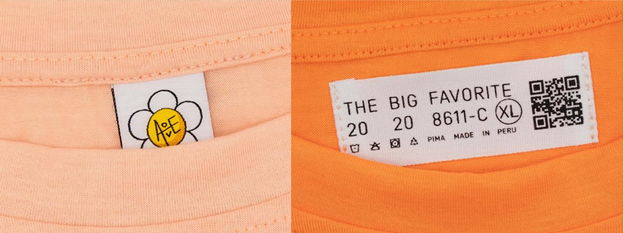
When it comes to branding apparel, accessories, or handmade products, labels play a much bigger role than many businesses realize. A label is often the first branded element a customer sees up close. It communicates quality, attention to detail, and how serious a brand is about presentation. Two of the most common labeling options are the woven tag and the printed tag. While both serve the same basic purpose, they offer very different benefits, costs, and visual effects.
Understanding the differences between a woven tag and a printed tag can help you choose the option that best fits your product, your brand image, and your long term goals.
What Is a Woven Tag
A woven label is created by weaving threads together on a loom to form text, logos, and designs directly into the label fabric. Instead of ink sitting on top of the surface, the design becomes part of the material itself. This creates texture, depth, and durability that many brands associate with premium quality.
Woven tags are commonly used in clothing, hats, bags, blankets, and accessories. They are available in various fold types such as center fold, end fold, loop fold, or straight cut, making them adaptable to many applications.
What Is a Printed Tag
A printed tag uses ink to apply text and graphics onto a fabric base, usually cotton, satin, or polyester. The label itself is blank before printing, and the design is added afterward. Printed tags are often chosen for their simplicity, lower cost, and ability to handle detailed graphics or small text.
Printed tags are frequently used for care labels, size tags, and budget friendly apparel lines. They are also popular for short production runs or products where branding is minimal.
Appearance and Visual Impact
One of the biggest differences between a woven tag and a printed tag is how they look and feel. Woven tags have a textured, dimensional appearance. The threads give the label a tactile quality that customers can feel when they touch it. This texture often signals craftsmanship and durability.
Printed tags have a smooth, flat surface. While they can look clean and modern, they typically lack the depth and visual richness of a woven tag. Over time, printed designs may fade or crack, especially after repeated washing.
Durability and Longevity
Durability is one of the strongest advantages of a woven tag. Because the design is woven into the fabric, it does not peel, crack, or fade easily. Woven tags hold up well through washing, drying, and regular wear. This makes them ideal for garments that are meant to last.
Printed tags rely on ink adhesion. Over time, washing and friction can cause the print to fade or become less legible. This does not always affect functionality, but it can reduce the perceived quality of the product.
Comfort and Wearability
Comfort is an important factor, especially for clothing labels that sit against the skin. Woven tags can feel slightly thicker than printed tags, but modern weaving techniques allow for soft edges and smooth finishes. Choosing the right fold type and material helps ensure comfort.
Printed tags are often thinner and softer right out of the box. This makes them popular for neck labels or care labels where irritation must be minimized. However, poorly printed tags can become stiff over time.
Design Flexibility
Printed tags offer more flexibility when it comes to fine details, gradients, and small text. Since the design is printed, there are fewer limitations on color transitions and graphic complexity. This makes printed tags a good choice for detailed care instructions or intricate illustrations.
Woven tags are limited by thread count and weaving resolution. Extremely small text or complex gradients may not translate well. However, woven tags excel at bold logos, simple icons, and clean typography. The woven look itself often adds value even with a simple design.
If your branding relies on minimalism and strong visual identity, woven tags perform exceptionally well. If you need a lot of information in a small space, printed tags may be more practical.
Brand Perception and Value
Labels contribute directly to how customers perceive your brand. A woven tag signals permanence, craftsmanship, and attention to detail. It tells customers that the brand invested in quality.
Printed tags are more utilitarian. They communicate information clearly but rarely add emotional value. For some brands, this aligns perfectly with a clean, no frills identity.
Think about what you want your customer to feel when they hold your product. If brand storytelling and presentation matter, a woven tag can elevate the experience.
Which One Is Right for You
Choosing between a woven tag and a printed tag depends on your product, audience, and goals. A woven tag is ideal for brands that prioritize durability, premium appearance, and long term branding. A printed tag works well for informational labels, budget conscious lines, and highly detailed designs.
Many brands use both. A woven tag for external or branding focused placement, and a printed tag for care instructions or sizing. This combination balances cost, comfort, and visual impact.
In the end, the right label supports your brand message and enhances your product rather than distracting from it. Whether you choose a woven tag or a printed tag, thoughtful labeling helps turn a simple product into a memorable brand experience.
The information below is required for social login
Sign In
Create New Account