

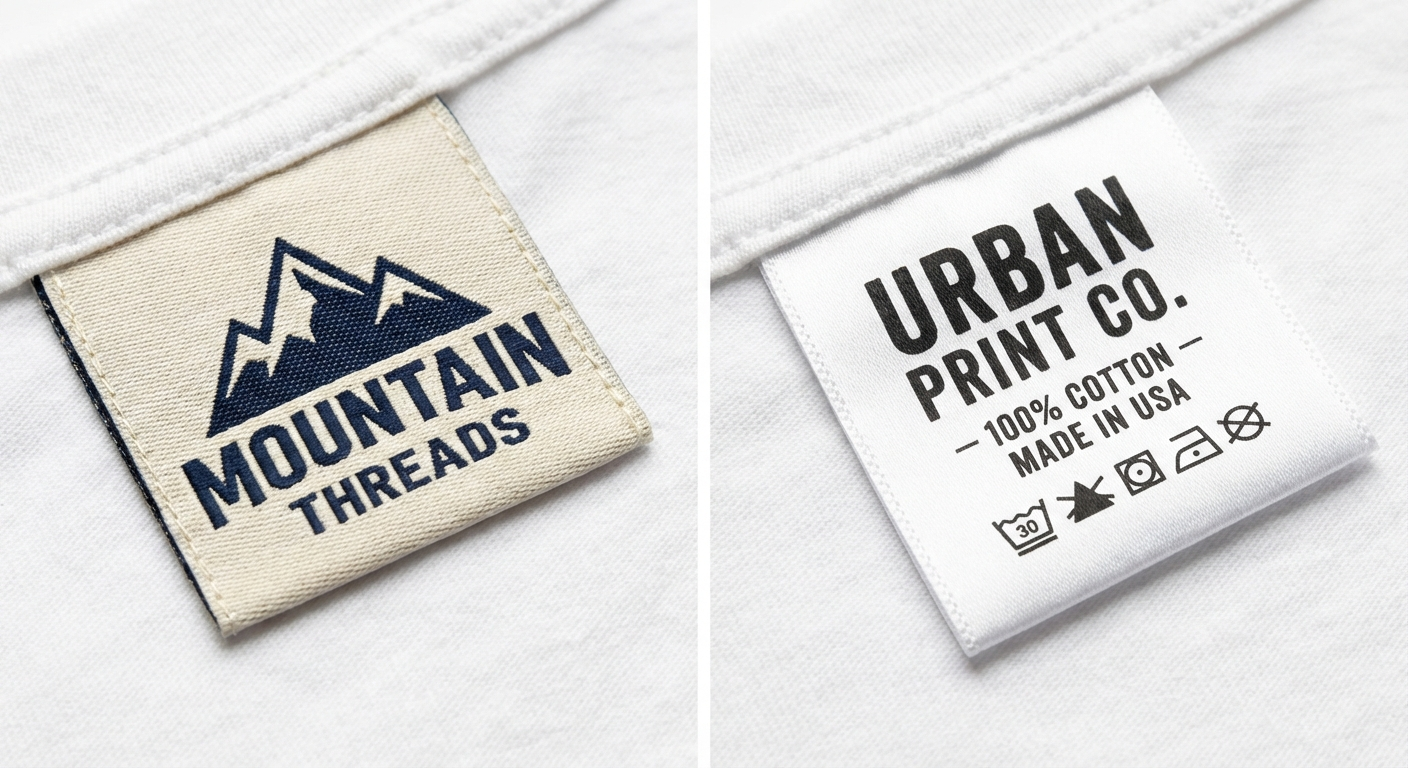
A new brand owner called us last week with a familiar dilemma. She had her logo finalized, her first production run of cotton tees ready to ship, and absolutely no idea whether she needed woven labels or printed labels. "They both go inside a shirt, right? What's the actual difference?" she asked. It's a question we've heard thousands of times since we started Quality Woven Labels back in 2008, and the answer matters more than most people realize.
Choosing between woven labels and printed labels affects how your brand looks, how your garment feels against skin, how long your label holds up through wash cycles, and what you'll spend per piece. This guide breaks down everything you need to know so you can make the right call for your specific product.
What Are Woven Labels, Exactly?
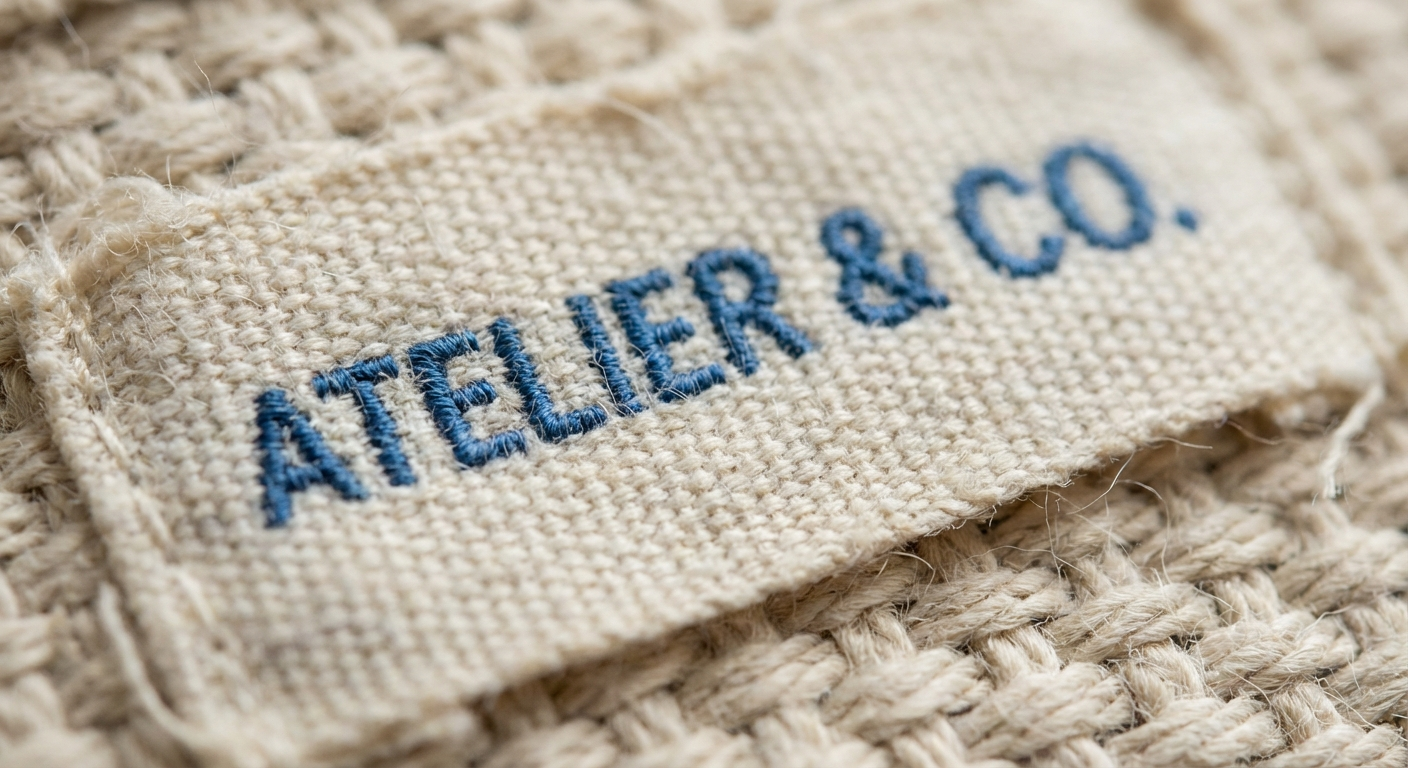
A woven label is made on a loom — the same basic technology humans have used for thousands of years, just refined with modern Jacquard machines. Your design, logo, or text is literally woven into the fabric using colored threads. Nothing is printed on the surface. The image IS the fabric.
This means the detail in a woven label depends on thread count. Higher thread counts (we typically work with damask weaves at 80–100 threads per centimeter) allow for sharper text and finer details. Lower thread counts produce a more textured, tactile feel that works well for bold logos and simple text.
Because the design is structural rather than surface-level, woven labels are remarkably durable. The colors won't crack, peel, or fade the way ink can. We've seen woven labels outlast the garments they're sewn into — your brand mark surviving long after the collar has frayed.
The trade-off? Woven labels work best with solid colors and clean vector artwork. If you need photographic detail or complex gradients, woven isn't the right tool for that job. Most woven labels use between 1 and 8 thread colors, with each color adding a small cost to production. The sweet spot for most brands is 2–4 colors.
Common backing types for woven labels include flat (no fold), center fold, end fold, mitre fold, and Manhattan fold. Each fold type determines how the label gets attached to the garment — whether it's sewn along all edges, tucked into a seam, or folded to create a loop. Our team helps customers pick the right fold for their application, since a center-fold label destined for a neckline has very different requirements than an end-fold label going into a side seam.
What Are Printed Labels?
Printed labels start with a base fabric — usually satin, cotton ribbon, or a synthetic like polyester or nylon — and your design is applied to the surface using ink. The most common methods are thermal transfer printing, screen printing, and digital (inkjet) printing.
The big advantage of printed labels is detail. Since you're working with ink rather than thread intersections, you can reproduce fine text, gradients, photographic images, and complex multi-color designs that would be impossible to weave. A printed damask label can carry a full-color watercolor logo, tiny 3-point care instruction text, and a barcode — all on one small piece of fabric.
Satin printed labels are the most popular variety we produce. They're smooth, lightweight, and sit flat against the skin — which makes them the default choice for care labels and content labels in most garments. The soft hand-feel of a satin label is hard to beat for comfort, especially in lightweight fabrics where a thicker woven label might feel scratchy.
Printed labels are generally less expensive per piece than woven labels, especially for designs that use many colors. Where a six-color woven label requires six separate thread setups, a six-color printed label costs essentially the same as a two-color one if you're using digital printing.
Durability is where printed labels concede ground. Ink sits on the surface of the fabric, so it's exposed to friction, washing, and heat. High-quality thermal transfer printing and sublimation printing holds up well — we see good results through 50+ wash cycles — but it won't match the permanence of a woven construction where the color is literally part of the fabric structure.
Side-by-Side: How They Compare
Rather than a spec sheet, here's how the two types of clothing labels stack up on the things that actually matter when you're building a brand.
Look and feel. Woven labels have a textured, premium feel. Run your thumb across one and you can feel the ridges of the weave — it reads as quality, craftsmanship, something made with care. Printed satin labels are smooth and sleek, almost silky. They read as modern, clean, polished. Neither is objectively "better" — it depends on the brand identity you're building. A heritage workwear brand and a contemporary athleisure line make very different choices here, and both are correct.
Detail and color. If your logo has fine lines, small text below 5pt, gradients, or more than 8 colors, printed is probably your only realistic option. Woven handles bold graphics, clean type, and limited color palettes with a richness that printed labels can't replicate — there's a depth to thread-on-thread color that flat ink doesn't achieve.
Durability. Woven wins outright. A well-made woven label will survive the life of the garment and beyond. Printed labels hold up respectably, but the ink will eventually show wear, especially with aggressive washing or high heat drying. For items that see heavy use — workwear, outdoor gear, children's clothing that gets washed constantly — woven labels are the safer bet.
Cost. Printed labels are typically 15–30% less expensive than woven labels of equivalent size, especially at lower quantities. The gap narrows at higher volumes because woven label setup costs get amortized across more pieces. For brands just starting out and watching every dollar, printed labels offer a more accessible entry point. That said, we keep our minimums low across both types — you can order as few as 5 pieces for either woven or printed labels, so there's no need to commit to thousands of units before you've tested the market.
Production time. Both take roughly similar lead times in our production flow. Woven labels require loom setup, which adds a small amount of time compared to digital printing, but the difference is usually a matter of days, not weeks.
When to Choose Woven Labels
Pick woven labels when your priority is brand perception and longevity. Specifically, woven labels make the most sense when:
Your logo is clean and uses 1–8 solid colors. Think strong wordmarks, simple icons, established brand symbols. The crispness of a damask woven label with tight thread counts makes even basic text look polished.
You're labeling premium products. If your retail price point is $30 and up, the tactile quality of a woven label reinforces that positioning. Customers notice. They might not consciously think "oh, nice woven label" — but they register the texture, the weight, the visual depth. It contributes to the overall feeling that they bought something well-made.
Durability is non-negotiable. Outerwear, denim, bags, hats, uniforms, anything that takes a beating — woven labels will still be legible long after hundreds of washes.
You want a label that doubles as a visible brand element. Woven labels work beautifully as external branding — on hat patches, bag exteriors, jacket pockets. The texture catches light differently than a printed surface and creates visual interest.
When to Choose Printed Labels
Pick printed labels when detail, softness, or cost efficiency is your top priority.
Your design includes gradients, photos, or complex artwork. If your brand identity relies on watercolor textures, detailed illustrations, or photorealistic elements, printed labels are the only way to reproduce that faithfully on a small label.
Comfort is critical. For garments worn against sensitive skin — baby clothing, underwear, activewear, sleepwear — a smooth satin printed label creates less irritation than a woven one. Some brands eventually move to heat transfer printing directly onto the garment for maximum comfort, but a satin printed label is a strong middle ground.
You need care labels and content labels. Most regulatory care labels (fiber content, country of origin, washing instructions) are printed. The small text and standardized symbols reproduce more cleanly with ink, and printed satin is the industry standard material for these labels.
You're producing at high volume with many color variations. If you run seasonal collections with frequently changing label designs, printed labels offer faster turnaround on new artwork and lower setup costs for short runs.
Can You Use Both?
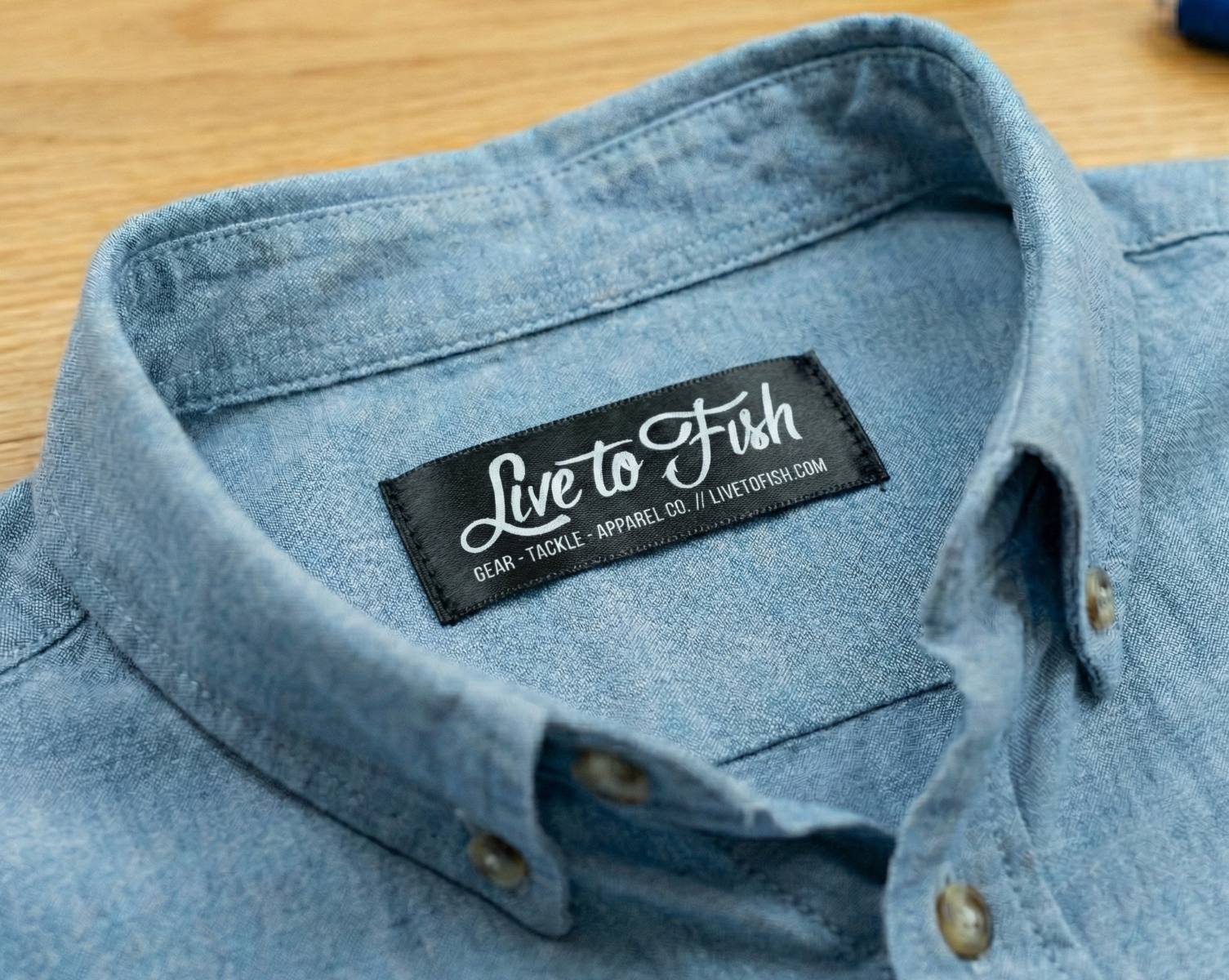
Absolutely — and many of the brands we work with do exactly that. A common setup is a woven main label (your brand name, logo, and size) paired with a printed care label (washing instructions, fiber content, country of origin). The woven label handles the branding where premium feel matters, and the printed label handles the information-dense compliance content where legibility and softness matter.
Some brands go further and use woven labels for their flagship products and printed labels for their value lines. Others use woven for external labels (hat patches, bag tags) and printed for internal garment labels. There's no rule that says you have to pick one and commit.
At Quality Woven Labels we produce both types, so working with a single supplier for your woven and printed labels keeps things simple — one point of contact, coordinated timelines, consistent quality standards across your entire label program.
Making Your Decision
Here's the honest truth after seventeen years of making labels for thousands of brands: most people overthink this. If your logo is simple and you want it to feel premium, go woven. If your design is complex or you need maximum comfort, go printed. If you're not sure, order samples of both — with our low minimums starting at just 5 pieces, you can test woven and printed versions of your label without a significant investment.
We offer free quotes on both woven labels and printed labels, and our team is happy to look at your artwork and recommend the best option for your specific product. Send us your design, tell us what you're labeling, and we'll give you an honest recommendation — even if that means telling you the less expensive option is the right one.
Request a free quote at qualitywovenlabels.com, or reach out directly. Minimums start at 5 pieces, turnaround is fast, and we've been doing this since 2008 — we'll get it right.
The information below is required for social login
Sign In
Create New Account